Endodontic
Expert Endodontic Care at Ghauri Dental Centre
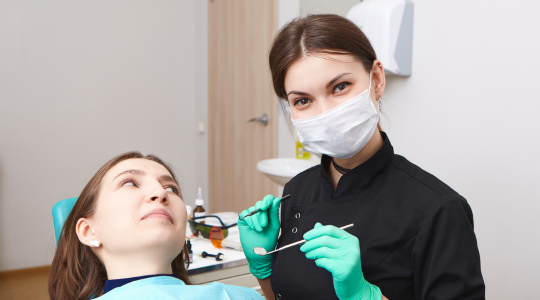
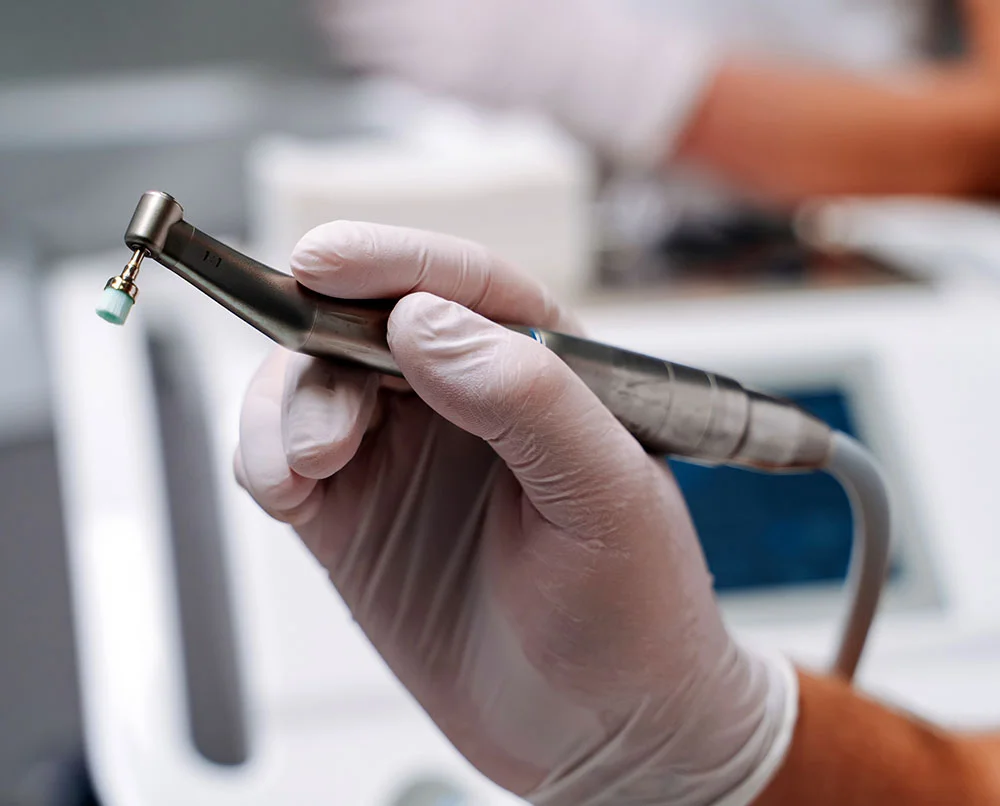
Root canal treatment (endodontics) is a procedure designed to save infected or severely decayed teeth, relieving pain and restoring function. At Ghauri Dental Centre, our experienced Team performs root canal therapy to the highest clinical standard, using modern techniques and equipment.
Several of our dentists have advanced training in endodontics, allowing us to treat even the most complex cases. We also offer re-treatment for previously failed root canals when appropriate.


Root Canal Treatment: Preserving Your Natural Tooth
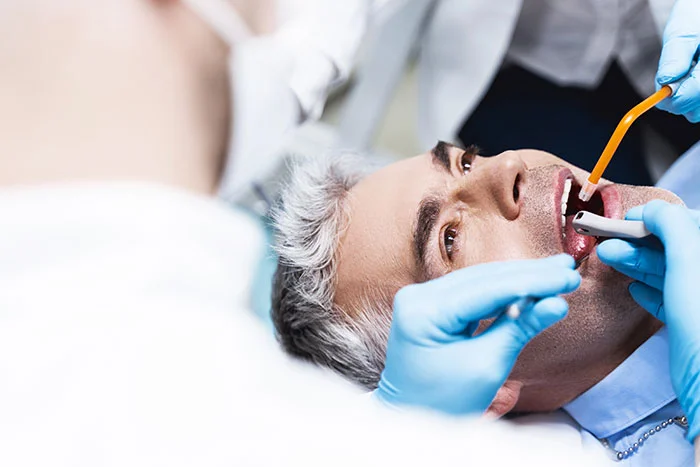
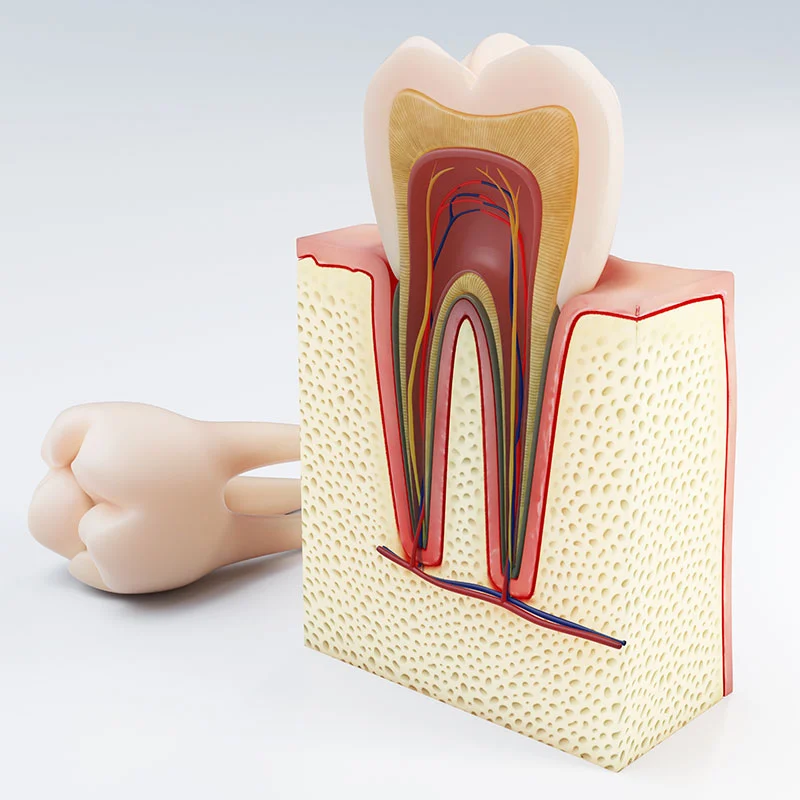
When infection or damage affects the pulp (the innermost part of the tooth), root canal therapy is often the only way to save the tooth and eliminate pain. The infected tissue is removed, the root canals are cleaned and sealed, and the tooth is restored with a filling or crown.
Understanding the Process
Each tooth contains dental pulp made up of nerves and blood vessels. When this becomes inflamed or infected, symptoms may include pain, swelling, sensitivity, or discoloration.
Treatment involves:
- Removal of infected tissue
- Thorough cleaning and disinfection
- Sealing the canals with a biocompatible material
- Final restoration with a filling or crown
Step-by-Step Root Canal Procedure
X-rays and examination.
Local anaesthetic for complete comfort.
Access and removal of infected pulp.
Cleaning and disinfection of root canals.
Sealing with root filling material.
Restoration of the tooth with a filling or crown.
When Is Root Canal Treatment Needed?
You may require a root canal if you experience:
Persistent toothache or sensitivity
Swelling around a tooth
A darkened tooth
A visible abscess or gum boil

Why Choose Ghauri Dental Centre?
Our dentists perform root canal treatment with precision, using the latest tools and materials. For complex cases or re-treatment, we have dentists with a special interest in endodontics who can manage more advanced procedures.
Benefits of Root Canal Treatmenent
Pain relief:
Quickly eliminates toothache
Tooth preservation:
Avoids extraction and maintains your natural bite
Infection control:
Stops the spread of bacteria
Durable results:
Treated teeth can last for many years
Surgical support:
In rare cases, an apicectomy may be required to resolve persistent infection
Aftercare & Re-treatment
Aftercare tips:
- Avoid chewing on the treated tooth until it’s fully restored
- Maintain good oral hygiene habits
- Attend all follow-up appointments
- Expect mild sensitivity, which usually subsides in a few days
Re-treatment may be needed due to:
- Missed canals or complications in initial treatment
- Delayed final restoration
- New decay or trauma
- Breakdown of original seal